How To Run A Vending Machine Business
A practical step-by-step guide to how to run a vending machine business, including preparation, instructions, common issues, tips, and next steps.
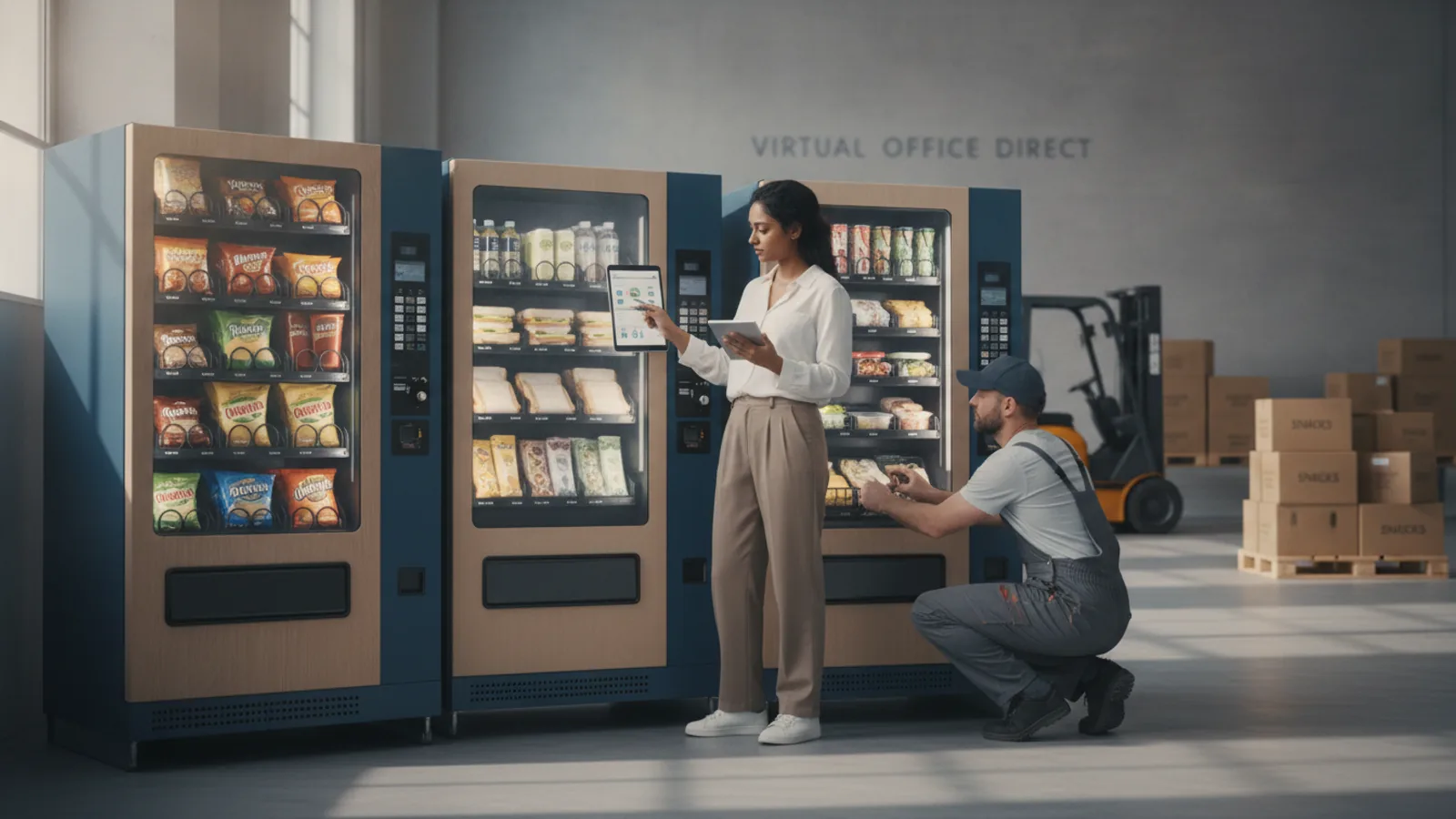
How To Run A Vending Machine Business
This guide explains how to approach how to run a vending machine business, including the preparation, practical steps, common mistakes, and final checks that help you finish with confidence.
Before You Start
What You Need
Safety, Timing, or Context Checks
Step-by-Step Instructions
Quick Reference
Common Problems When You Run a Vending Machine Business
Running a vending machine business can come with its share of challenges. Being aware of these common problems and knowing how to address them can save you time and money.
Advanced Tips for Running a Vending Machine Business
Once you've mastered the basics, consider these advanced strategies to optimise your vending machine business and increase profitability:
How To Run A Vending Machine Business FAQ
Here are answers to some common questions about running a vending machine business in the UK.
How much does it cost to start a vending machine business in the UK?
The startup costs can vary significantly. A single new vending machine can cost anywhere from £2,000 to £10,000+, depending on its type and features. Used machines are cheaper, typically £500 to £3,000. You'll also need to budget for initial product stock (£100-£500 per machine), business registration fees (if applicable), insurance (£200-£500 annually), and ongoing operational costs like fuel, maintenance, and product replenishment.
What are the most profitable vending machine locations?
High-traffic areas are generally the most profitable. These include large office buildings, factories, schools, colleges, hospitals, waiting rooms, call centres, shopping centres, transport hubs (train/bus stations), and busy leisure centres or gyms. The key is consistent footfall and a captive audience.
Do I need a licence to operate a vending machine in the UK?
You typically don't need a specific "vending machine licence" nationwide. However, you must register your business with HMRC, and if you form a limited company, with Companies House. Some local councils may require specific permits for machines placed in public areas, or if you're selling certain food items, you may need to register as a food business. Always check with your local council.
What products are best to sell in a vending machine?
Popular choices include snacks (crisps, chocolates, biscuits), cold drinks (fizzy drinks, water, juices), and hot drinks (coffee, tea, hot chocolate). However, the "best" products depend on your location's demographics. Healthy snacks, fresh food (sandwiches, salads – requiring specialised machines and careful management), and even non-food items like personal protective equipment (PPE) or electronics can be profitable in the right setting.
How much money can you make from a vending machine?
Profits vary widely. A single well-placed and well-stocked machine might generate £50-£200 per week in gross sales, but this can be much higher in very busy locations. After deducting product costs, location commission, and operational expenses, a typical profit margin might be 20-40%. Success usually comes from having multiple machines in good locations and managing them efficiently.
How often do vending machines need to be restocked?
Restocking frequency depends on sales volume. High-traffic machines might need daily or every-other-day visits, while slower machines might only need weekly or bi-weekly servicing. Remote monitoring systems can help you determine the optimal restocking schedule for each machine.
Final Checklist for How To Run A Vending Machine Business
Use this checklist to ensure you've covered all the essential steps in setting up and running your vending machine business successfully.