How To Make Money In Heating And Air Conditioning Business
A practical step-by-step guide to how to make money in heating and air conditioning business, including preparation, instructions, common issues, tips, and next steps.
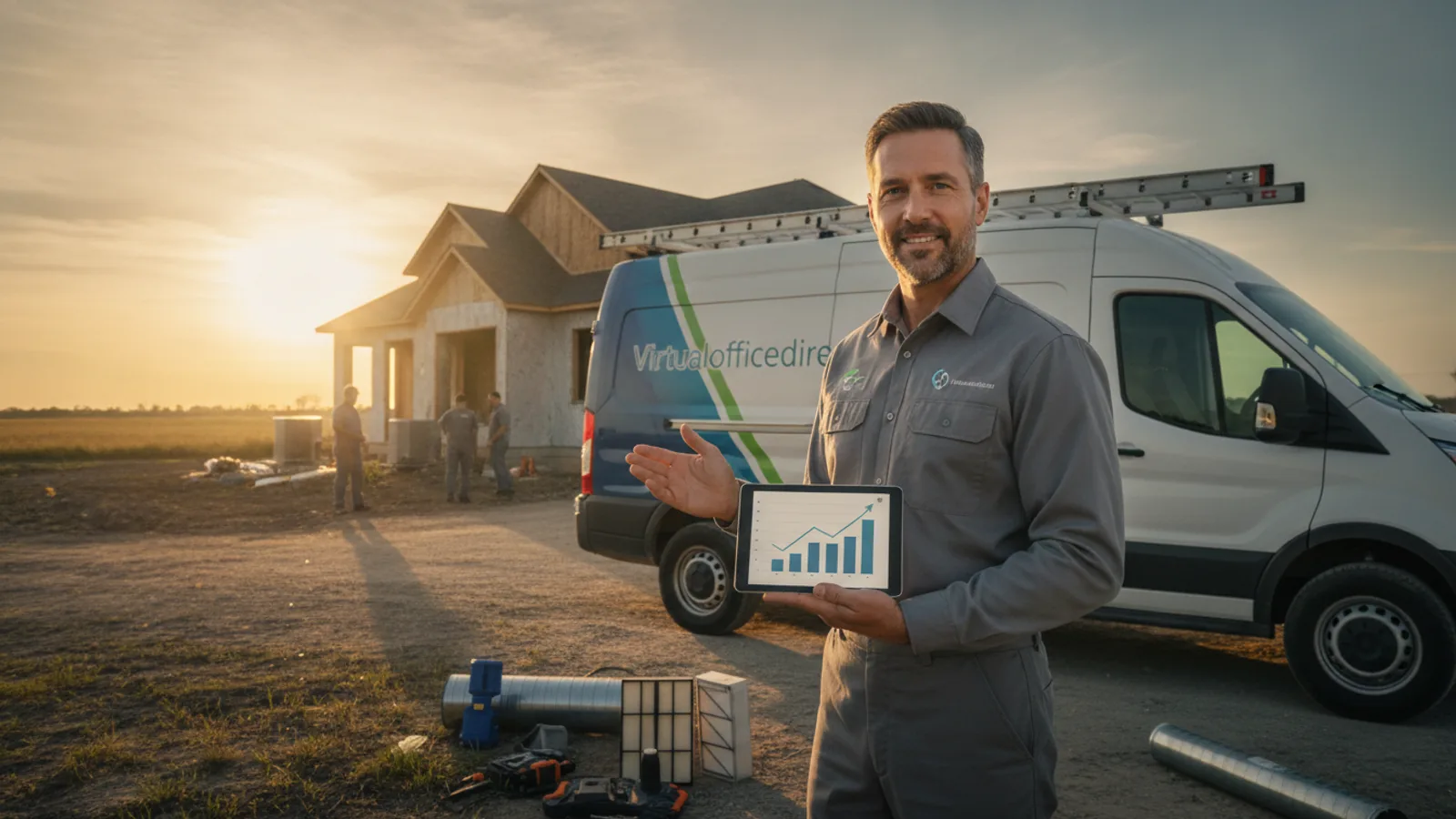
How To Make Money In Heating And Air Conditioning Business
This guide explains how to approach how to make money in heating and air conditioning business, including the preparation, practical steps, common mistakes, and final checks that help you finish with confidence.
Before You Start
Step-by-Step Instructions
Quick Reference
Common Problems When You Make Money In Heating And Air Conditioning Business
Starting and running an HVAC business, while profitable, comes with its own set of challenges. Knowing these common hurdles and how to overcome them is key to sustained success.
1. Difficulty Securing Initial Clients
Problem: When you're new, it can be tough to get your first customers to trust you, especially without an established reputation or many reviews.
Fix: Start with a strong local marketing push. Offer introductory discounts for first-time customers, partner with local builders or property developers for new installations, and actively seek testimonials from your first few jobs. Networking with other tradespeople can also lead to referrals.
2. Cash Flow Issues Due to Seasonality
Problem: The demand for heating and cooling services often fluctuates dramatically with the seasons. Winters are busy for heating, summers for cooling, leaving quieter periods that can strain your finances.
Fix: Promote annual maintenance contracts vigorously. These provide a steady income stream throughout the year, even during off-peak times. Also, build up cash reserves during busy periods to tide you over quieter months, and consider diversifying into services less affected by weather, such as duct cleaning or ventilation system checks.
3. Finding and Retaining Qualified Technicians
Problem: The HVAC industry requires specialised skills and certifications, making it challenging to find experienced and reliable staff. High demand can lead to staff shortages and increased wage expectations.
Fix: Offer competitive salaries and benefits. Invest in training and professional development to show staff you value their growth. Consider setting up an apprenticeship scheme to 'grow your own' talent. Create a positive and supportive work environment to encourage loyalty.
4. High Operational Costs
Problem: Fuel, vehicle maintenance, tool replacement, insurance, and specialist parts can all add up, eroding your profit margins.
Fix: Regularly review and negotiate with your suppliers for better deals on parts and equipment. Implement efficient route planning to minimise fuel consumption. Maintain your vehicles and tools meticulously to prevent costly breakdowns and extend their lifespan. Monitor your expenses closely using accounting software to identify areas where you can save.
5. Intense Competition
Problem: The HVAC market can be crowded, with many businesses vying for the same customers, especially in urban areas.
Fix: Differentiate your business. This could be through specialisation (e.g., only working with renewable energy systems), offering unparalleled customer service, providing longer warranties, or focusing on a specific niche market (e.g., commercial clients, high-end residential installations). Build a strong brand reputation based on reliability and quality.
Advanced Tips for How To Make Money In Heating And Air Conditioning Business
Once your HVAC business is established and running smoothly, consider these advanced strategies to increase profitability, efficiency, and market share:
1. Specialise in High-Demand, High-Margin Niches
Rather than being a generalist, consider becoming an expert in a specific area that offers higher profits or growing demand. Examples include:
- Renewable Energy Systems: Focus on installing and maintaining air source and ground source heat pumps, which are increasingly popular due to environmental concerns and government incentives in the UK.
- Smart Home Integration: Offer services to integrate HVAC systems with smart home technology, providing advanced control and energy management for clients.
- Commercial HVAC: Commercial contracts often involve larger, more complex systems and provide consistent, higher-value work compared to residential jobs.
2. Leverage Technology for Efficiency
Embrace modern technology to streamline your operations and enhance customer experience:
- CRM Software: Use Customer Relationship Management (CRM) software to manage client data, track service history, schedule appointments, and automate follow-ups.
- Field Service Management (FSM) Software: This can help with dispatching technicians, tracking job progress, invoicing, and inventory management, improving efficiency and response times.
- Remote Diagnostics: Invest in systems that allow for remote monitoring and diagnostics of HVAC units. This can help you identify and even fix problems before they become major issues, reducing call-out times and improving customer satisfaction.
3. Offer Energy Efficiency Consulting and Audits
Beyond simply installing and repairing, position your business as an energy efficiency expert. Offer comprehensive home or business energy audits. Identify areas where clients can save money by upgrading insulation, improving ventilation, or replacing older, inefficient HVAC systems with modern, energy-efficient alternatives. This adds significant value and can lead to new installation and upgrade contracts.
4. Diversify into Related Services
Look for natural extensions to your core services that leverage your existing skills and customer base:
- Duct Cleaning: A common and necessary service that improves air quality and system efficiency.
- Indoor Air Quality Solutions: Offer installation of air purifiers, humidifiers, and dehumidifiers, tapping into growing health and wellness trends.
- Plumbing and Electrical: If your team has relevant qualifications, expanding into basic plumbing or electrical services can increase your job scope and revenue per client.
5. Implement Robust Digital Marketing and SEO
Move beyond basic online listings. Invest in professional Search Engine Optimisation (SEO) to rank higher on Google for key local search terms. Consider targeted pay-per-click (PPC) advertising campaigns to reach customers actively searching for HVAC services. Use engaging content on your website and social media to demonstrate your expertise and build authority.
6. Focus on Building Long-Term Relationships with Commercial Clients
While residential work is essential, commercial clients often provide larger, more stable contracts. Foster strong relationships with businesses, property management companies, schools, and healthcare facilities. These contracts often involve regular, scheduled maintenance and can provide a substantial, predictable revenue stream over many years.
How To Make Money In Heating And Air Conditioning Business FAQ
Q: What are the biggest startup costs for an HVAC business in the UK?
A: The most significant startup costs typically include purchasing a reliable commercial vehicle (van), a complete set of professional HVAC tools and diagnostic equipment, acquiring necessary certifications (like Gas Safe and F-Gas), comprehensive business insurance, and initial marketing efforts to attract your first clients. You'll also need working capital to cover operational expenses until your business becomes profitable.
Q: How long does it typically take for an HVAC business to become profitable?
A: The time it takes to become profitable can vary widely based on your initial investment, marketing strategy, pricing, and efficiency. Generally, with good management and a solid business plan, many HVAC businesses in the UK aim to break even within the first 1 to 2 years and become consistently profitable within 2 to 3 years.
Q: Do I need specific qualifications to operate an HVAC business in the UK?
A: Absolutely, yes. For any work involving gas appliances (like boilers), you and your engineers must be registered with the Gas Safe Register. For work with refrigerants (found in air conditioning and heat pump systems), you must hold F-Gas certification. Operating without these certifications is illegal and highly dangerous. Other qualifications like NVQs in Heating and Ventilation are also highly beneficial.
Q: What's the best way to get my first customers?
A: Start locally! Create a strong online presence with a professional website and a fully optimised Google My Business profile. Encourage friends, family, and initial clients to leave reviews. Use local advertising (flyers, community newspapers) and network with other local trades like plumbers, electricians, and builders. Offering an introductory discount or a 'first service free' for maintenance contracts can also attract early clients.
Q: Are maintenance contracts really that important for profitability?
A: Yes, maintenance contracts are extremely important for consistent profitability. They provide a predictable, recurring income stream, helping to smooth out seasonal fluctuations in demand. They also build long-term customer relationships, often leading to repeat business for repairs and installations. Customers value the peace of mind and convenience that a good maintenance plan offers.
Q: What services are most profitable in the HVAC industry?
A: While all services can be profitable, installation of new, complex, or high-efficiency systems (such as modern boilers, full air conditioning systems, and particularly heat pumps) often yield higher margins. Emergency repairs also typically command a premium. Planned preventative maintenance through service contracts provides excellent recurring revenue with lower overheads per visit once established.
Final Checklist for How To Make Money In Heating And Air Conditioning Business
- Business Plan Developed: Have you created a detailed plan outlining your services, target market, and financial projections?
- Legal Structure Registered: Is your business registered with HMRC and Companies House (if applicable)?
- Essential Certifications Obtained: Are you and your team fully qualified with Gas Safe Register and F-Gas certification?
- Insurance Secured: Do you have adequate public liability, employer's liability, and professional indemnity insurance?
- Funding in Place: Have you secured the necessary capital for startup costs and initial operations?
- Tools and Equipment Ready: Are all essential tools, diagnostic equipment, and a reliable vehicle acquired and in good working order?
- Marketing Strategy Active: Is your website live, Google My Business set up, and a plan for attracting customers in motion?
- Team Assembled (if applicable): Have you hired qualified, reliable, and customer-focused technicians?
- Service Offerings Defined: Do you have a clear range of services to provide, including installations, repairs, and maintenance?
- Customer Service Standards Set: Have you established clear protocols for excellent customer interaction and follow-up?
- Maintenance Contracts Framework: Is a system in place to offer and manage service contracts for recurring revenue?
- Financial Records Organised: Are you using accounting software or a bookkeeper to manage your finances effectively?
- Pricing Strategy Reviewed: Are your prices competitive yet profitable, reflecting your costs and value?
- Continuous Improvement Plan: Do you have a strategy for staying updated on industry trends and adapting your business?